Olivier Lafontaine:
I'm Olivier Lafontaine, and this is Life Accelerated, the podcast for life insurance leaders focused on driving meaningful change through technology, process, and partnership.
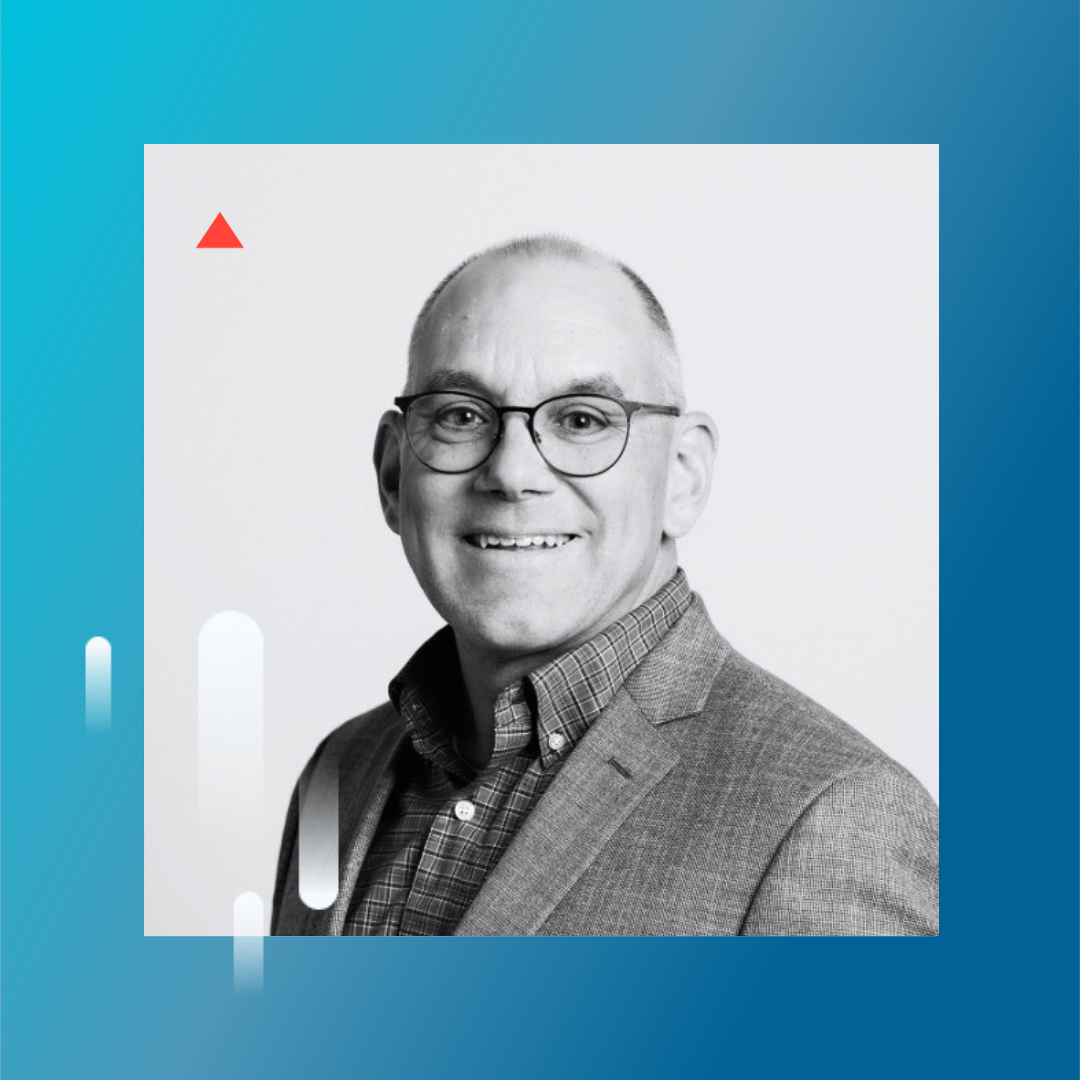
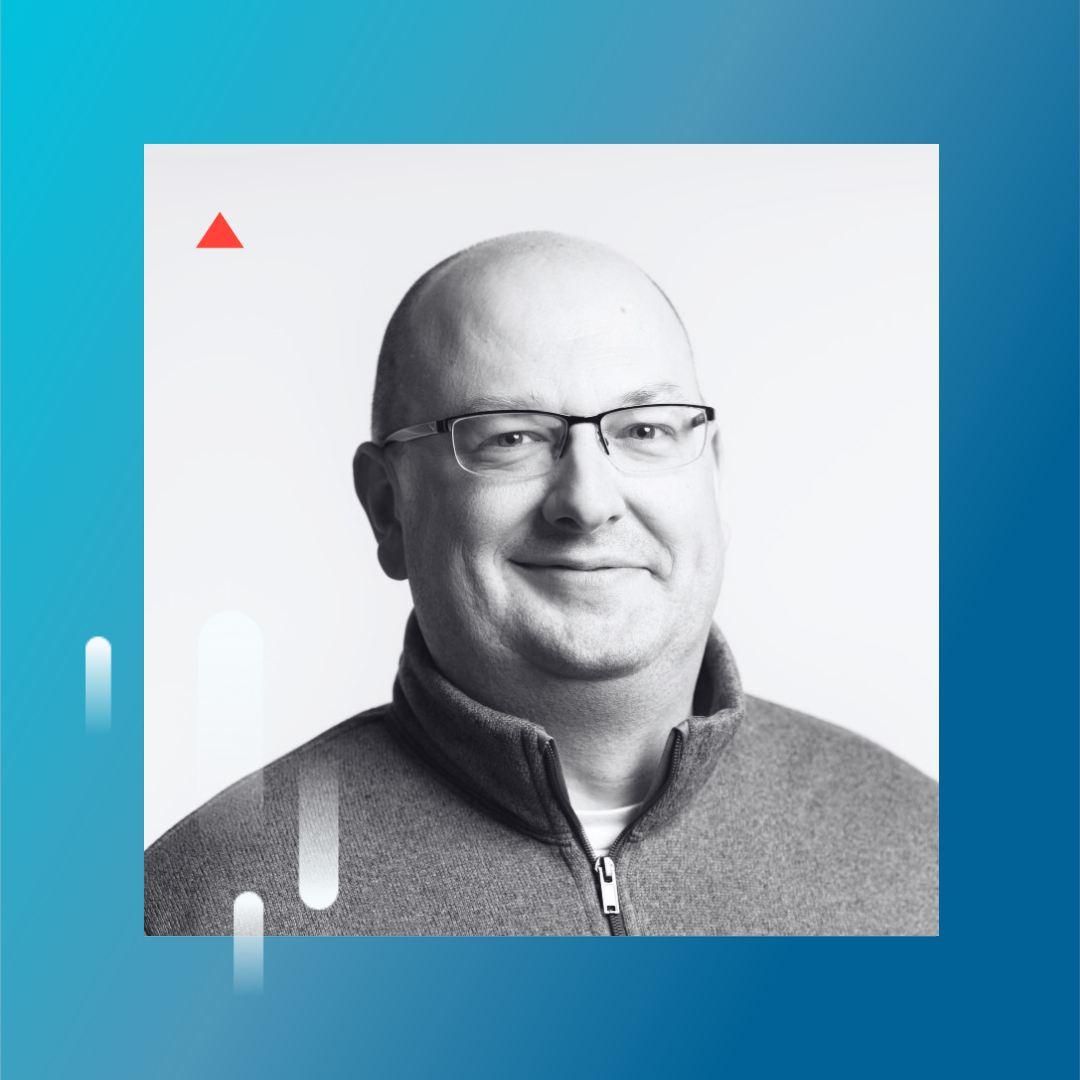
Today I'm joined by Kevin Cummer, Director of Life Products and Nick Rohan, Director of Partner Management from TruStage. With decades of combined experience, Kevin and Nick have been at the forefront of TruStage's evolution, driving innovation and life insurance through simplified underwriting and accelerated decision-making. In this episode, we'll explore how TruStage has expanded its reach beyond credit unions, simplify the consumer journey and embrace new technologies to bring life insurance to the middle market consumer.
We'll also discuss the future of AI and insurance, the challenges of scaling, and how these two leaders are shaping a next chapter in life insurance. Let's get into it.
Olivier Lafontaine:
So welcome to the show. Nice to see you today. As we usually do on the show ... Well, actually you've been here before, but in the days of Anthony O'Donnell. So a new host, new set of questions, maybe a little bit of repeating. We'll see how that goes. But to get started, I usually like to do a little bit of a more of a personal discussion or not related to work in any way. And in our preparation, I think I heard that you guys are both college football fans or at least enemies in a certain way because one of you is a Badgers fan and the other one is a Hawkeyes fan. So let's get started on that. Maybe Nick, what's your team and how does that go? How are they doing?
Nick Rohan:
Well, so I'm a Badgers fan, so I'm on the east side of the Mississippi or the right side, as I like to call it. But it's been a little interesting for us the past few weeks here and maybe a few years if you think of the NIL time. But we have a new athletic director on the way, so all of the message boards are lit up with excitement of what's to come. And I'm sure a domination of the Iowa Hawkeyes is one of those things.
Olivier Lafontaine:
You've been a Badgers fan for a long time.
Nick Rohan:
I did. I grew up in the Madison area, so it was a bit of a requirement. Although interestingly, my mom's half of the family is from Iowa, so I probably just alienated half of my family with that last statement.
Olivier Lafontaine:
What about you, Kevin? You've been a fan for a long time?
Kevin Cummer:
I have been born and raised in Iowa, Olivier, so I'm an Iowa Hawkeyes fan my entire life. So yeah, Nick and I like to give each other a hard time that way, but it's a football series has been a little lopsided for the Hawkeyes of late. Basketball's still probably a little more to the Badgers, but we did have that elite eight run. Did you guys make it out of the first round, Nick?
Nick Rohan:
Nope. We were saving it for this coming year.
Olivier Lafontaine:
Good stuff. And I've been to Iowa a couple times. I've been to the Iowa State Fair some years. That's a long time ago, but that was a lot of fun back then.
Nick Rohan:
A fun story that's kind of related there. So we have offices in Waverly, Iowa and then offices here in Madison. There used to be a traveling trophy during football season that the winning team's location would take, and it had little mascots for each team in it and a button that would play the fight song for the corresponding school. And I believe when it was on Iowa at one point, it got rewired. So both buttons played the Hawkeyes fight song and not the Badger song. So it runs deep at TruStage, not just Kevin and I.
Olivier Lafontaine:
Good stuff. Okay. So let's get to the more serious stuff. Let's start with maybe a little bit more about what your company, but also what you guys do in particular. Maybe we start with Kevin. Tell us what your role is. Let's start with that. Tell us what your role is and then we'll get to Nick.
Kevin Cummer:
Okay. Yeah. I'm director of life product management at TruStage Olivier, and I've been with TruStage a little bit over 20 years now.
Nick Rohan:
Yeah, so I lead our life distribution team, so the sale of our life products that Kevin's team manufactures for us. Outside our credit union space, this is my 25th year with the organization. So you got a little bit of experience on the pod today.
Olivier Lafontaine:
Excellent. Excellent. So if we go back to Kevin, and can you tell us a little bit about the credit union space and how you guys moved towards the instant decision products? A little bit of background as to how you guys approach the market.
Kevin Cummer:
Yeah, absolutely, Olivier. So a lot of people may be familiar with us under our old operating name, CUNY Mutual Group. We rebranded to TruStage a few years ago. TruStage has actually been our consumer brand for over 10 years now, but we use it across the enterprise now. But within our space from ... I mean, so historically we've served a lot of needs for the credit union space. The space that I'm in, we really kind of focus on direct marketing of products to credit union members, life insurance, accidental, death, and dismemberment, et cetera. So we like to always say we grew up in the credit union space. We developed a lot of marketing expertise within that space and develop products that really fit the market demographic of credit unions, which is more your middle market demographics. We tend to focus incomes 50 to 150,000. And so over time, we've really evolved our products to ... We actually, back in 2016 already, began using simplified underwriting, accelerated underwriting in our process to where we really wanted to simplify the products, make it very easy for agents to sell the products for consumers to buy the products.
So we started developing simplified issue products back in 2016, found a lot of success through the credit union space as we were doing that. But over time, we also came to the realization while we're having great success and meeting a lot of needs within the credit union space, there's a lot of similar consumers that are outside the credit union space. And that sort of lent to the question, well, what else could we do to make these products more accessible to the middle market? Because that's really one of our key missions at TruStage.
Olivier Lafontaine:
Makes sense. And I guess that's what Nick's mission is in a way, to find the other partners outside the credit unions that fit this same sort of model. Want to talk about that a little bit?
Nick Rohan:
Yeah, it's been a huge win for us over the last five or six years. But like Kevin, he described some of the design principles around the product set and easy to sell, easy for agents to access, but also targeted to what's traditionally been an underrepresented population in the life space is that more middle to lower income brackets. So it made a lot of sense. And our value prop to potential partners is that. Just think of how much easier, lowering the friction for your consumers and the scale you can get when there's not as high of a touch or as much follow up and things. And so we still differentiate ourselves in the credit union space through the marketing programs and things that Kevin mentioned, but we're really starting to make a mark in the industry as a whole, bringing some of that population into the mix, but also then just expanding our footprint has been a win for us.
I'd like to think it's been a win for those consumers too.
Olivier Lafontaine:
Yeah, for sure. And are you still committed to the instant decision underwriting model in those new markets? Is that still the go- forward solution, right?
Kevin Cummer:
Absolutely, Olivier. We're fully committed. We really continue to see it as a differentiator for us, both from, as Nick alluded to there, the consumer experience and the partner experience. For the consumer, we really see that instant decision experience. And I should probably explain, we on 100% of our apps provide a decision at the point of application. There is no off to manual underwriting that happens in our space. It is 100% instant decision. And so from the consumer perspective, that breaks down barriers like there's no medical exams involved. A lot of people have the concern about that. And it also breaks down that barrier of procrastination. If it goes off to underwriting, it's like, does the consumer have second thoughts? Do they decide to walk away, decide maybe I want to do something differently? From the partner experience, it's really about the simplicity of that process, whether it's a digital experience, whether it's an agent experience over the phone, we hear from partners on a regular basis.
The experience that you deliver for our agents exceeds what we have available to us with other carriers. It's a simpler process. It's a very streamlined process. So we believe that that maintains for us a very unique position in the industry. And so yeah, I would say we can continue to be fully committed to that space.
Olivier Lafontaine:
Yeah, that makes a lot of sense. And I think the market is responding well. I want to ask Nick about APIs that you guys have built to make that possible with your partners, maybe even as expanding the network of partners. Can you talk a little bit about that and what that means and how that's been used by your partners in the business?
Nick Rohan:
Yeah. So I know this podcast gets listened to by people on the tech side at Carrier. So forgive me for those that are better expertise on this than I, but I think the advantage of what we've built over the past few years has been while we're a legacy carrier, we have 90 years of history and systems and the messy backend that all old companies have. We built this clean layer in front of it all. That's all the partners see. So the complexity is hidden behind a simple wall. Combine that with the design of the products that Kevin's team has, it's really easy to keep it in a basic call and response model. There's very few inputs needed to get the quotes, very few inputs needed even for the application, and the outputs back to the partner are quite simple. So we kind of carried those design principles of the products forward to the technology product side of this to keep it simple.
That doesn't mean it's no work. We'd love to get to a world where someone could just click a button and be integrated. But as a carrier in a fairly regulated space, there's some things you kind of need to watch happen. Those are getting fewer and fewer and the clean more speed of us or how we implement. We've kind of gained on that momentum year after year. So we've had the full API suite since late in 2023, and just the use cases keep presenting themselves for how we can use them more effectively. So we're pretty proud of it, but there's always room to keep working on it
Olivier Lafontaine:
For sure. And they use these APIs, I suppose, to integrate in their sales flow or whatever is their business model instead of using your ... Some other insurance companies will provide the quoting tools, the electronic application tools or whatever else you need in order to deliver the product. But in your case, it gives them the ability to just integrate and it looks like it's in their flow. Is that right?
Nick Rohan:
It is. And the approach we took towards that build overall was kind of working left to right on the page, if you will. So the first thing is just being able to deliver a quote in the most simple form, all the way to fully binding and doing the signatures and taking the payments online. As we built that, we did it in stages, always keeping the off-ramp. So if a partner only wants to take it in their experience to a point, the off-ramp still exists where we can pick that up and close it with the remaining steps using our technology. Because the further you go in the process, the higher the rigor, the higher the scrutiny is on compliance and things like that. So when you get to signatures and payments especially, we've obviously invested in that tech stack for ourselves. Not all partners have the size to maintain their own PCI compliance zone or whatever it might be.
So we can always pick up the traffic as far as the partner wants to integrate it, but if they've got the capabilities and can get through that initial due diligence that we're comfortable turning over the full stack, it's available.
Olivier Lafontaine:
That's good. And how long are these projects typically for them? I'm sure it varies from one partner to the other, but are we talking weeks? Are we talking years or how long does this take?
Nick Rohan:
Yeah. So our average implementation, most partners don't take that full, the last set of steps that are heavily compliant. So our average implementation, we can get done in about five weeks. It kind of depends on the team, our partner's team's capacity. And that's something that probably resonates with anybody working out there today is capacity is pretty precious anywhere. And so a lot of times we're up against just other development priorities at the partner, but as we work through those, or if we have a partner that comes in with the team ready to go, we're probably more limited by the compliance elements of the work more so than the technology at this point.
Olivier Lafontaine:
Switching over to Kevin, so AI has become impossible to ignore since the first few demos of ChatGPT that everyone had over two years ago, I suppose, but more and more over the last two years, every conference you go to, every presentation you see is always about AI. So it shows up in operations and in underwriting and customer experience and fraud detection. And so how do you approach that TruStage and what's your view on it?
Kevin Cummer:
Yeah. Yeah. I would say early on, I would say we took a pretty tentative, pretty cautious approach to AI. I think as we've come into the last few months here and into 2026, I think our leadership team has said we need to more aggressively think about how do we leverage and use AI. And so we are continuing to investigate it and look at it while being cognizant of the regulatory environment around AI because obviously there's a lot of interest from the states, from the NAIC around AI. So I think we are looking at how can we better deliver capabilities? How can we use it to help our people be more efficient internally? For example, my team, we're responsible for competitive intelligence, just monitoring things that are going on. We've found it's helpful in being able to more quickly filter through and gather information and just understand what's going on in the market.
So that's an internal application that we're using to just be more efficient in how we go about things and better deliver. So we'll continue to kind of push ourselves, challenge ourselves of how do we leverage AI to deliver better products, to deliver better experiences for consumers while also being cautious that it doesn't get done in a way that could potentially have any bias or challenges from a consumer perspective in it. So kind of a fine line to walk and we'll continue to just keep a close eye on it as it continues to evolve.
Olivier Lafontaine:
Yeah, for sure. And it's one thing to see the big tech giants show the capabilities and very impressive, but at the same time, the insurance company still has to honor their responsibilities towards the consumer, their regulator and so on and so forth. And ultimately, you can send all that data into the cloud, but what is it that it produces? How do you make sure that it's consistently doing what you think it's doing? And those types of questions are still very much unanswered or difficult to answer at least. So that's what everyone's navigating, right?
Kevin Cummer:
Yeah. And some of it comes down to understanding how partners that you work with may be leveraging it and utilizing it and understanding how that can help you deliver a better product as well. So sometimes it may not be necessarily our own direct usage of it, but partnering with vendors and just other, whether it's our data sources, for example, from an underwriting perspective, how might they use it to deliver the data more efficiently, but still in a way that preserves the integrity of the underwriting process. So we'll continue as well to look at that in terms of how we evaluate those we partner with and that we use for services across the enterprise.
Olivier Lafontaine:
Nick, you want to add something to that? What do you see in your space, in the distribution space? How do people think about it?
Nick Rohan:
Yeah, it's really interesting to sit in that kind of zone between the carrier and partners and many, like Kevin mentioned, are bringing AI to their distribution models and making sure that we strike that balance of not holding that back while still meeting our regulatory and compliance obligations. So there's this, what I would call a healthy tension, but one where we welcome our partners to push on us there. Our compliance attorneys sometimes don't like it when we bring some of those ideas back, but we'll always bring them back and really push for, is this something we're worried about or something we really shouldn't be doing and strike that balance. And so it's been enjoyable to sit on that side. It doesn't make me popular internally all the time, but it is, I find it just even the academic curiosity of it really interesting to see how it's applied.
And then thinking of what got us to the successful point we have with that middle market, it's being able to serve it at scale where we don't need the high face amount policies with high premiums to fund the operation. So the more ways we can apply these sorts of tools in the backend of our business to make us more efficient, we can start passing that forward to a consumer in terms of a price reduction. And so those two things for me just make it fun despite some of the uncertainty that comes with it as well.
Olivier Lafontaine:
Certainly intriguing, I assume, especially your company being, or using instant decision as a key differentiator, you would think that if the promises of AI turns out true, then you can automate a few more things that perhaps, and I'm sure today you have business rules that decide whether you approve or not a certain case that are based on hard information and hard decision rules. If you could get to a place where maybe some of it can be, you could have a higher face amount and still be able to do the instant decision, that certainly would be interesting. But then you get into, how do you demonstrate the regulator that you're doing that in a fair way? And it's not that AI sometimes that has bias or whatever that decides these people are allowed to have it and not these other people. So right. Speaking of the partners, if we dig a little deeper on that, and you talk about partners a lot and I find it very intriguing how you approach the business, can you talk a little, how many partners are we talking about?
Do you look at lots of smaller partners, you have bigger partners. Can you give us a sense of what that looks like?
Nick Rohan:
Yeah, I do want to call out, we consider our credit union partners our partners as well, but I'm going to just speak to my side of the business, but I don't want that side of our house to feel excluded. On this non-credit union distribution side, our strategy's more about fewer large partners, just given the reach that most of them have, the footprint that they have across eligible consumers, keeping that small from a population perspective and the number of partners allows us to access the most consumers without creating competition amongst the partners. One, a lot of them just don't like that, so we want to respect that. But also the more competition we create for that one consumer across the partners, we're essentially just helping the ad sellers make more money, right? We're helping drive the price up, more ads being placed to try to chase the same consumer.
And so we've opted to keep it low. It also helps us pace any development work we might do for a particular partner or product builds and those sorts of things. If that portfolio got too large, we'd have just too many mouths to feed when it came to tweaking to their models and such. And so we've opted to take that strategy. Well, we don't have a magic number we're trying to keep it under, but we do keep a look at what's the population that particular partner is seeking to reach and does that expand our kind of reach into the pool that we're in.
Olivier Lafontaine:
Do you end up tweaking the solution? We talked about the APIs earlier, but do you sometimes tweak the experience a little bit to fit a particular partner's model? Is that something you can do?
Nick Rohan:
We definitely do. A lot of times that doesn't require us to code something in that API layer. It's a lot more of the times it shows up in how we comply and are we comfortable with how they're taking the, maybe rearranging the process to suit their needs or things where the same inputs and outputs are being satisfied, but sometimes the order with which you do it matters. Now, we do have some partners that have gained such a mass with us that a bespoke product build makes sense, whether it's to meet a need that they have or even just to create a risk pool that is tuned more to their model so that we can better price the risk that they bring in. So we've ranged from small tweaks in the process to full product builds just targeted towards one partner and a couple stops in between there.
But what's been great, even though the sports rivalry exists, it's a dynamic ongoing conversation across not just Kevin and I, but our broader life leadership team been able to meet that moment most of the time when a partner has something that will really click for us. It's paid off for us. You can't argue with the results it's gained us.
Olivier Lafontaine:
Yeah. And I was going to ask about new or specific products for those distribution partners where I'm sure there's a win-win there. If they have the volume, I assume it's a win for them because then they can show differentiation themselves and then they're more locked into you guys as well. So everybody sort of wins and they have a particular angle probably to a certain population. And so that population also wins out of it. So it sounds like a really good proposition. Kevin, you want to talk, I think you said in the preparation I heard, but I thought that was intriguing. You also partner with life insurance companies sometimes. Did I hear that right?
Kevin Cummer:
Yeah, yeah. We've found, I think the entire industry obviously is well aware of the insurance gap and is thinking, how do you solve it? And I think the more that we've talked with other carriers over recent years, it's just kind of dawned on us in a lot of these conversations. A lot of what we're doing, we're really focused on a different portion of the market than a lot of the rest of the market. And there's so much space within the market in terms of consumer demographics, et cetera. And so what we've come to realize is there's a lot of times where the place we play in the market, which is a lot of times lower face amount, higher transactions in terms of more consumers protected, a lot of other carriers maybe don't want to go below a certain face amount. The economics aren't there for them and the way that they're structured and the way that they're built.
And so we've come to realize, hey, our product sets actually compliment each other rather than compete with each other. And so are there ways that we can make our products available to a consumer who comes to you that maybe you don't have the right product fit for, but our solutions, our product solutions are the right fit or vice versa. We might not have the right solution, but you have offerings that could fit. And so I think just realizing that ultimately we all have the same goal to protect more people and make sure that consumers and their families are protected at the time when life insurance becomes necessary. And so yeah, we've started to see growth, partnerships on the life insurance side, property and casualty side, and just that ability to partner. And one of the interesting things about that that we've come to realize is that oftentimes those implementation conversations go more quickly with other carriers because they understand the challenges that you face as a carrier and are coming at it with a more similar mindset than maybe when you're having the carrier distributor conversation.
And maybe there's a little bit of that tension and push pull in terms of how you do things. And so that's just really been interesting for us as we've expanded into some opportunities on that side as well.
Olivier Lafontaine:
Yeah, that's great. And I assume also, we talked about procrastination and the hurdles for the consumer to get insurance. And so if they've gone over that hurdle and reached out to one insurance company, it's a shame that then we would reject them and say, "Ah, we don't really like your size of business," and then have to let them go. And I'll bet you a lot of them would then abandon the process after that experience. So I think this is a great initiative for those carriers that do maybe a little bit more upmarket type business, then it gives them a place to redirect the consumers that are interested in life insurance, but may not be in their bracket, I suppose. If we go back to maybe talking a little bit more about the future and investment and the roadmap, and what are you looking at? Where do you think either your company in particular or the industry, what do you think is going to be important for the next couple of years?
Nick Rohan:
Yeah, so it's watching the different ecosystems evolve, if you will. We do quite well in our direct consumer business, but we see shifts there. So one thing we can't do is lose sight of, we run our own business too, so we have to keep feeding that. But out in the distribution space, partners and distributors are looking to take more and more ownership and a little bit more control of their own destiny. So while we feel we've done well on enabling the selling side of the consumer journey through the APIs, we've got a nice product set that fits that model really well. Capabilities, like the ability to do even basic servicing and things are starting to become more table stakes and just more ownership and more ability to hold that consumer a little closer at the distributor. So if they are executing a cross-sell strategy or whatever, that consumer feels connected there, which I think helps us with retention and things as well, if the consumer's going back to the place where they purchased versus having to follow a different path to service their policy.
So that kind of evolution or kind of reaching deeper into the journey as more and more distributors master the integration of the selling, that's the natural next evolution. And so how are we ready there?
Olivier Lafontaine:
The servicing that goes with it, maybe eventually following the customer with additional products if they have changes in their lives and things like that, right?
Nick Rohan:
And an interesting connection back to Kevin's discussion about working with other carriers, we're serving that niche for some of them. The P&C carriers, for example, have made an auto and home sale. The consumer's already into an insurance conversation. And if you have a lower lift product that can be added, they're just seeing that as a great cross-sell opportunity. To your point, you've got someone who's made the leap to call into an insurance company and spend the time. The more needs you can meet in that moment, the more likely you are to get them completely protected versus just whatever they spot called for. That
Olivier Lafontaine:
Sounds good. And in terms of products, as a matter of fact, Kevin, what's your take on what's coming up in terms of products and what sort of things are you looking at?
Kevin Cummer:
Yeah, that's a great question, Olivier. I mean, I think continuing to keep the product simple. I mean, one of the barriers to life insurance for a lot of consumers is just not understanding and having confusion. So for us, simplicity remains key. I think one of the other themes that we're hearing a lot is sort of understanding what opportunities might there be in terms of living benefits and can this product provide anything for me other than a death benefit at the time I die? And so just looking at and understanding and striking that balance for us of knowing we typically have consumers who have very tight budgets, don't have a lot of extra space in their budget, but are looking for additional value, how can we bring more value to the table without having a significant impact on the cost of the product? And so I think just continuing to monitor the environment and see what might be ways that we continue to make life insurance more relevant, more immediately tangible to a consumer, but also continuing to be conscious of their budgetary concerns and the economic stress that they face.
Olivier Lafontaine:
Oh, that sounds good. Well, gentlemen, that was a great conversation. I'm sure we could go on for a lot longer. We've been at it for 35 minutes already, but it was great to have you on the show and looking forward to our next conversation perhaps in another year and see where you guys are at.
Olivier Lafontaine:
Kevin and Nick's experience shows that the true innovation in insurance goes beyond adopting new technologies. It also involves creating meaningful connections and simplifying complex processes for consumers. TruStage’s approach to transforming life insurance reflects a deep commitment to meeting the needs of the middle market consumer while ensuring seamless experiences.
From streamlined underwriting to stronger partnerships, they've reshaped how insurance is accessed and understood. What truly stands out is their focus on maintaining high quality service throughout their transformation, entering that while technology evolves, the customer experience remains at the forefront of every decision. Thank you so much for joining us.