Olivier Lafontaine:
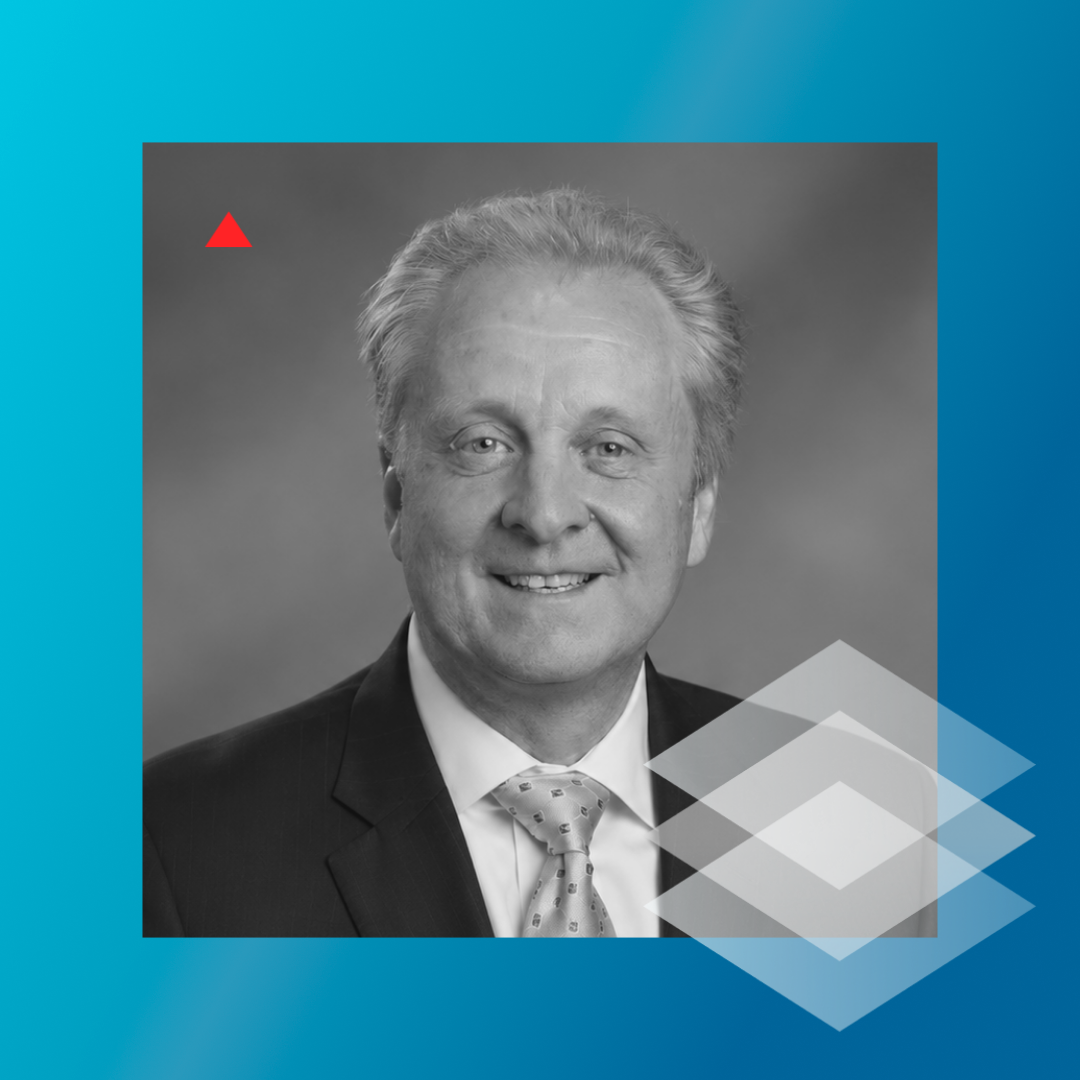
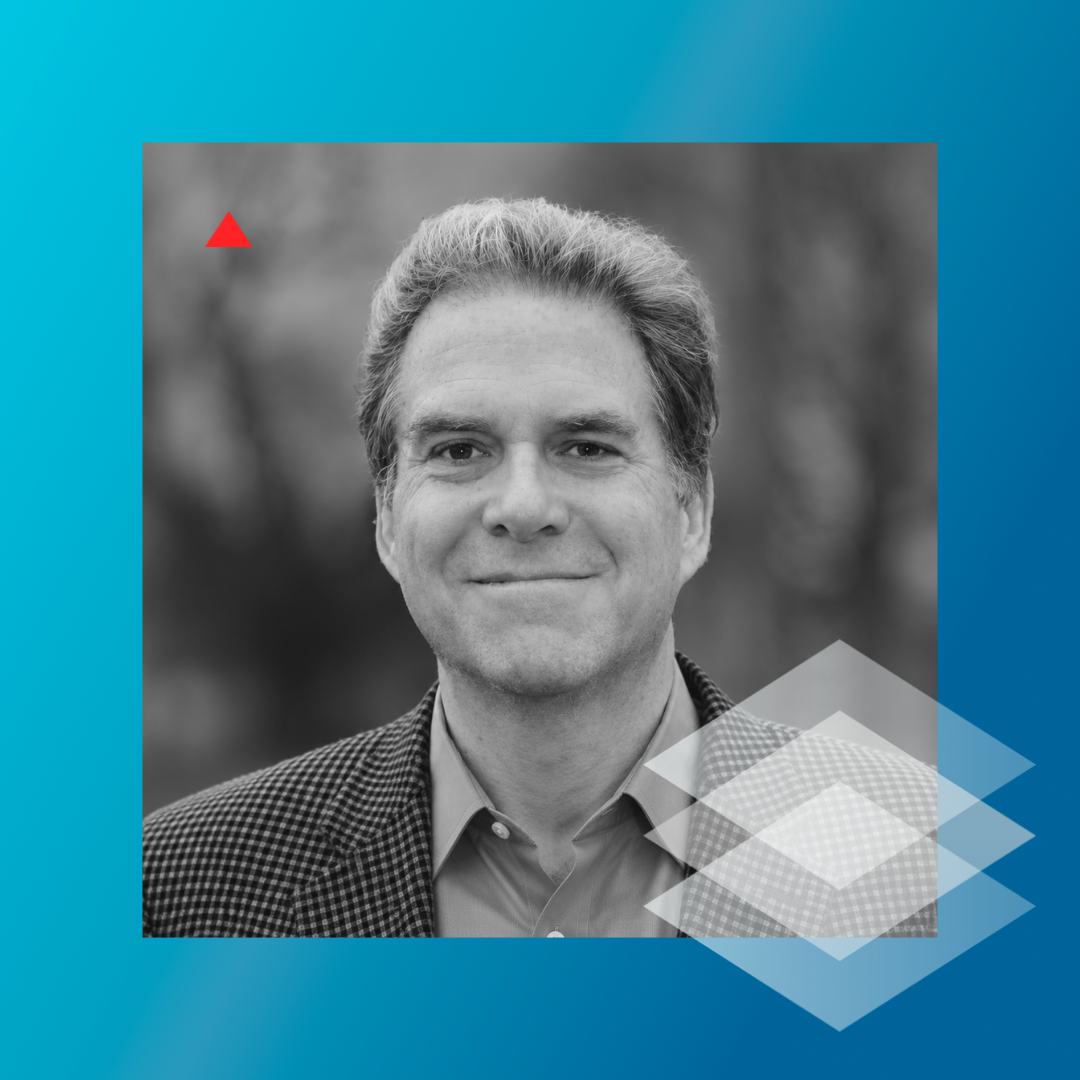
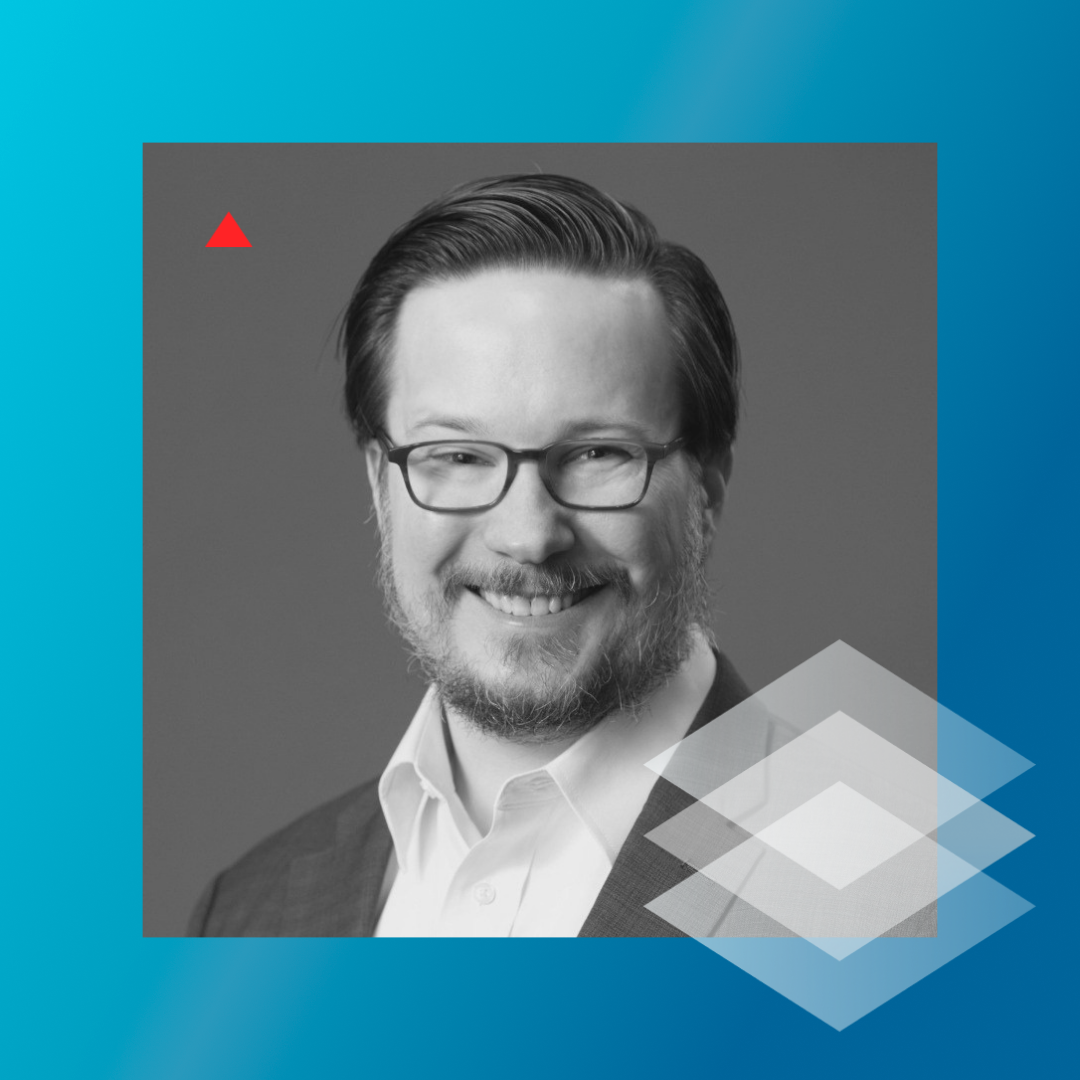
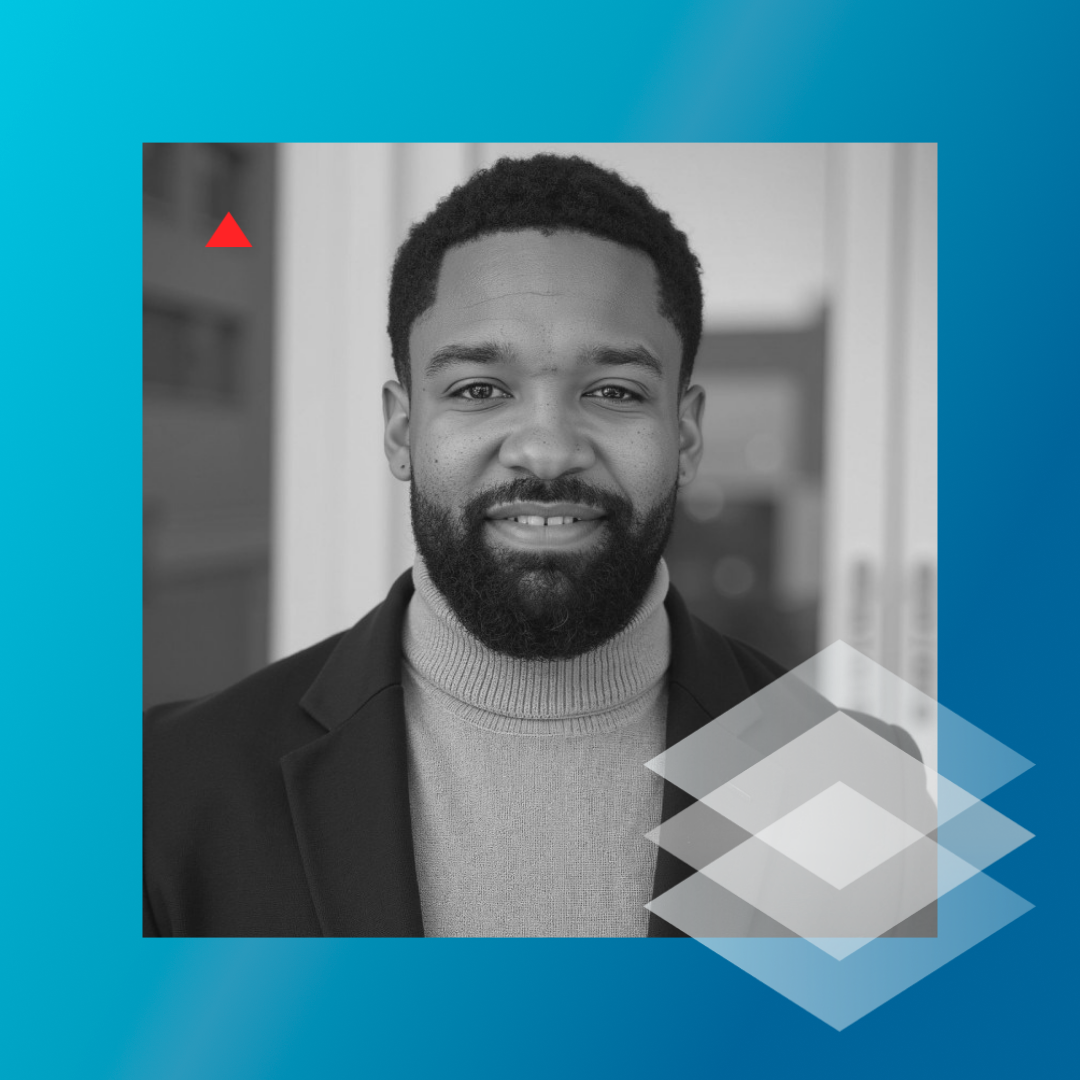
Today's episode is special. I'm joined by four exceptional leaders who took the stage at our Tampa Bay Summit in April 2026. We've got Richard Wiedenbeck, former Chief AI Officer at Ameritas and our principal advisor. John Brabazon, Chief Financial Officer and treasurer at SBLI. Matthew Busbee, Chief Data Officer at Pen-American Life Insurance Group. And Sherriff Balogun, Jr., head of insurance and wealth technology at MassMutual. Together, they bring decades of experience navigating technology transformation at insurance companies of all sizes, from 200 person mutuals to global multinationals operating across 20 countries.
In this episode, we dive into how these leaders are thinking about AI investment, from scaling AI workers and rethinking the SDLC, to the less talked about challenge of knowledge management and what happens when your most experienced people walk out the door for good. We'll also explore how organizational structures may need to evolve as AI agents take on more of the work, and who in the C-suite will ultimately be responsible for governing them. Let's get into it. All right. Thank you, folks, for here with us this morning. That's a lot of good information. The next session is going to be a bit more interactive.
And I suspect that people in the room are going to want to share their opinion and perhaps it's going to become the full room panel. We'll see how that goes. I have the pleasure today... First of all, I'm Olivier Lafontaine. I'm the Chief Product Officer at Equisoft, so I run our product teams and our engineering teams. So, AI obviously is very important to us, but today I'm not doing the talking. I'm going to be letting these industry people due to talking, starting with Richard Wiedenbeck, who used to be Chief AI Officer at Ameritas and is now principal advisor with. We have John Brabazon, Chief Financial Officer and Treasurer at SBLI. Matthew Busbee, Chief Data Officer, Pan-American Life Insurance Group and Sherriff Balogun Jr., head of insurance and wealth technology at MassMutual.
Olivier Lafontaine:
We have four teams today. We're going to keep that pretty efficient. Starting with a little bit of maybe an introduction, what we got into a little bit and what's important in your company. Maybe starting with you, Richard.
Richard Wiedenbeck:
Yeah, I'll start. So, obviously, I just recently stopped being a Chief AI Officer. I was one of the first few named Chief AI Officer two and a half years ago. Interesting point for most of you in the room is, that decision was made with me sitting in the CIO seat. So, I'd been a CIO for 13 years prior to that. So, that's kind of the background. Ran a couple of software companies before. So, definitely I've been in the insurance industry, a vital career. You actually ended a little personal note. So, on a personal note, I ran my 150th half-marathon on Saturday at Boulder, Colorado. Thank you for that. That's 11 years. I just started 11 years ago. So, that's my new crazy, running half-marathons.
John Brabazon:
John Brabazon, I've been with SBLI for about 12 years. SBLI stands for Savings Bank Life Insurance. We are in Massachusetts. There used to be more active SBLIs in Connecticut, New York, but they have folded into companies. Pretty small company. We've been around for about 119 years. Became a mutual about 18 years ago, an interesting ownership structure before that. And prior to SBLI, I worked at insurance companies local in Boston and worked at Manulife for John Hancock, America.
Matthew Busbee:
Hi, good morning. My name is Matthew Busbee. I'm the Chief Data Officer at Pan-American Life Insurance Group, which you may not have heard of. But Pan-American Life is over a hundred years old, 115 I think this year. Headquartered in New Orleans and we do life insurance, health insurance, and accident insurance in over 20 countries in North America, South America, the Caribbean.
And so my role there, I've been there about seven years. I'm responsible for everything data and now increasingly AI. My team is also absorbed as we'll talk about the AI governance and AI enablement for as well, which at this point is almost half of my time these days. But yeah, that's kind of my scope.
Sherriff Balogun Jr.:
Well, thankfully Sherriff Balogun. I lead insurance and wealth tech at MassMutual. So just think of that as the entire application technology portfolio that supports our profit centers. So inclusive of product development, sales, our advisory technology and our back office technology supporting operations. Been at Mass now for about 11 years, before that was actually working in the nonprofit technology space and ended up getting recruited to Mass. It's been a great journey since then. On a personal note just to that point on education, I've recently had the opportunity to join the charter school board. And really, really interesting and fascinating conversations that are happening now in the age of AI. It's a very strong passion of mine, just thinking about the next generation of children, learners, and folks in society. And so it's been a lot of fun so far.
Olivier Lafontaine:
Great. Thank you. So I guess we'll continue with you for the first question. Let's say I'm sure there's a lot of investments in technology at MassMutual, but if you had to say, which are the ones that are most strategic or most important for your company, what would you say that is?
Sherriff Balogun Jr.:
Yeah, I going to have to pick one. I'll try to keep it with these. So first is talent actually. I think spending a lot of time, first of all, just trying to understand the needs from a talent and skill perspective long term. And then from that perspective, thinking about how do we retain, invest in, acquire the talent for the future. And that might be upskill people we have, that might be cross-skilling people we have, or that might be having to go out and find it across multiple geographies in our case. So talent is first and foremost. And then as far as just true technology investments, I'd say unsurprisingly, we're a little bit focused on AI, and I would say at the highest level, there's really two dimensions for that. One is just making people more productive and making people happier to come to work. And then the other is really focused on deep focused business transformation.
And so that means everything from giving folks Claude to giving folks Copilot and the entire suite there. But I'd say more interestingly working closely with business leaders to understand their objectives, their changing goals and just asking the question, "Hey, can AI help?" Maybe not. So I'd say those are the two. And then much like we talked about this morning and third, I would say this kind of bridge journey from legacy to wherever this AI native future looks like. And so a lot of focus on system consolidation, the law sorts, pretty much across the entire kind of life cycle value chain from quote to claim. And then a lot of focus on advisory technology, but that is a rapidly changing environment and unsurprisingly they have a lot of changing and high demand and so working a lot there to ensure that we're at the forefront enabling to be.
Olivier Lafontaine:
And probably your first point on talent and training and upskilling relates to your last block on AI and second to last point, but you probably have to get through training for them to be able to use those tools?
Sherriff Balogun Jr.:
Yeah. We went through, we set up pretty for folks that was role specific. So we've started with, think of just sort of traditional roles along in an SDLC process and not only giving folks the tools, but helping them understand the contents of how to use them. And also just giving a message of accountability, just to school that can help you use something really fast and easy. Doesn't mean that you're not signing your name on a dotted line when you push something into production or when you sign off on requirements of whatever work is. And so it's been really interesting. I'd say for our tech board, probably close to 80% to somewhere between 80% and 100% of folks that want that. We've done that rollout probably three or four months, so it's going to be aggressive. So far so good.
Olivier Lafontaine:
Matthew, another big company, what are your priorities in technology and investment probably to move into AI? What about other things?
Matthew Busbee:
So as I mentioned, we operate in 20 plus different countries. And that creates a lot of regulatory and compliance overhead for price. Because every country has their own little flavor of how they want to do it. And then of course, in the United States, you have 50 states and they each have their own little flavor as well. So for us, one of the big priorities is figuring out how we can streamline that and do a better job of managing all of that. And another big area we mentioned multiple path systems we're actually including a new one right now to go into kind of a new line of business where kind of this exact example, that was the path of least resistance to get into that business line. So we're recommending a new system. From an AI perspective, there's not a lot of hard investments yet, but we are actively looking.
There's a desire to invest in AI, but we don't yet have a pipeline. So that's one of the things that we're working on is to identify what are those items that are worth doing. There's a million things you could do, but going back to that thing, what's the right shift? And we're working on that right now because there's definitely an interest in investing, but we want to make sure that we are being thoughtful and intentional about what is worth that investment.
Olivier Lafontaine:
So for the policy ending, is that driven by growth perspective or by cost reduction or a bit of both or? What's the B driver for that perspective?
Matthew Busbee:
Really it's coming out of our health insurance business in Latin America. The pharmacy portion of the health insurance is growing significantly as the Latin American market does more specialty drugs and other kinds of medications are very common in the US, but new and emerging more on the lab side. And so as our Latin business starts building up more and more of that pharmacy volume, there's an opportunity to cut costs by implementing a new system and to better control fraud waste and there's a lot of optimizations with pharmacy. It's a very interesting. So as we go into that market, there's an opportunity for us both to grow and just at cost. Hopefully at the same time.
Olivier Lafontaine:
Thank you. And John, you're from a smaller company and also a different profile of Chief Financial Officer. How do you see these technology investments? What is your company looking at? How do you think of business cases and things like that?
John Brabazon:
Yeah, thanks. And just to put my comments in context, SBLA is a small company. We have about three billion in assets, 200 employees. So the example that was shown recently of the hundred employees, I said they're pretty close to that. But interestingly enough, we still do have about that 85/50 split that you talked about in terms of the, I call it the orchestra section and the rest of it.
So we've been, I'll call it dabbling in AI. Our first instance is we have ChatGPT where we can share internal information, doesn't go outside our firewalls. And then really the next area is we're also in the stage of putting in a new policy admin system. And that is where a lot of our AI capabilities are going to come from. We're certainly not big enough to build, so it's certainly we want to rent. But as others have said, we're being cautious, being careful. Our AI governance committee is still working through space specific issues and so forth. So there is definitely a lot of the same themes, just different levels of people handling it and different priorities a lot of everything else going on at the organization.
Olivier Lafontaine:
Do you feel that there's the funding for doing these experimentation and these projects? Or you being a smaller company sort of affects your ability to invest in that cutting edge technology? How do you find improvement or?
John Brabazon:
Yeah, that's a good question. We always need to be proved, but I look at cost benefit, not just the cost of the policy admin system, but the cost of implementation, but the cost of running the business. And that's why we've already laid out our cost benefit analysis, our timeline with the expectation that when this implementation is done, our total cost across the business will be lower. And that's both system-wise and resource-wise. And we're able to work it so that there's a number of key people who are probably three or four years from retire. And so they're going to be the people that are going to work close heavily on this implementation and then unfortunately they'll be able to part ways what they want and when we move on to the next stage.
Richard Wiedenbeck:
Yeah. So I'm probably just going to, I'm going to talk from just Ameritas because I left Ameritas and that's where all the relevant experience is. A little bit of context. So Ameritas is kind of, I'll call it AI strategy at kind of three things, AI to value, which I think we talk about a lot how they have inside outcome. How do I responsibly manage AI, not just the life cycle of AI, but what are the guardrails, what are the guidelines? Where do I want to use it? Where do I not want to use it? How do I change controls? Really got to have them for that? And then the third piece of it, which speaks to is how do I prepare the workforce? So when I think about what our priorities were, I can take all of that as the context, okay, what's the right journey to go on for AI?
Now I got to flip over and put my MBA brain on, so I'm glad I'm sitting next to a CFO and say, look, if you follow Ameritas' financials out, Ameritas is about 3.3 billion of revenue. So we're pretty decent size, 2,400 employees, our sales force is, independent agents, IMOs type stuff. You look at us, our top line growth has been between 7% and 9% year over year. We clearly do not have a top line growth problem right now that could tomorrow, but historically would argue our issue is in sales and growth, right? But if you look at our expense basis, our expense grows and stuff with our top line growth. So for us, the priority was how do I go fundamentally change that cost? How do I go drive unit costs down? If I can continue to grow, that creates a space to do it, right?
If I don't grow then I had a harder management decision to make. So we spent a lot of our initial focus of AI value on how do I fundamentally affect the unit cost? And you heard me talk a little bit earlier about the two steps of that. Step one was what I call AI shifts. So shifting work from humans to AI, we did that through AI enabled processes, which I think is more online with platforms and stuff. We did it through creating AI workers, where I'll argue is real labor arbitrage. So an AI worker for us cost us about five bucks an hour and that's not at scale, that's five bucks an hour. Forgiven that interesting CFO chat, $3.3 billion company, our full investment in AI included by the AI COE people was five million. My full investment in AI tech, $200,000 a year.
So we found a way to do it cheaper, right? Now I think as those AI workers scale, as we started using it more, that costs will go up and hopefully that cost as a TCO premises. But our measurement was on unit cost of capability, unit cost of the process. And the outcome was I need cost of that capability in full, whether that's people, tech, AI, to fundamentally shift that. So that was our number one priority. Number two was mindset and understanding, right? How do I start preparing a workforce for the future? Priority one was mindset and understanding. I think our, AI 2041 is a book I would recommend. First chapter is on insurance, by the way, which is just a great, great opener for any exec. But also then what are the skills and competencies that we're going to need in the future?
How do we start building was not just within the AICoE put in the company and how do we start building that muscle, both the management mussel and all that. So I'd say we had a priority on people, we had a priority on AI value. And our priority on governance, I would argue honestly was not as high, probably needed to strengthen up a little bit, but we felt the controls that we had was adequate for where we were on the journey.
Olivier Lafontaine:
So what about other... So we talked about that AI investment and I think your last role, but what about if you go further in the past in your CIO style role, are there other investments that are necessary to go alongside with an AI transformation in your view? All of that, is that what happened? Did you park up all of the other big projects-
Richard Wiedenbeck:
No. In fact, in my CIO seat for whatever four years, I'd also got a title cheap transportation box and a new partnering space. But we were on a journey of transformation anyway, and so we're already on a focus of how do we make easy business with, how do we make it easy for us to integrate within distribution, right? The independent distribution channel wants it fast and easy. Your agency and advisors are more focused on probably quality and getting the right answer back for their client, right? If they're not IMOs, but they're like, "Hey, this is easy. I'll place it with you faster than you, close enough, good enough, move on." Whereas your agency and advisors tend to be a little that. So they needed two different experiences. So the experience was still in play, still focused. We were looking for ways how to lie AI enabled the experience, but one layer back to the governance structure, we made an intentional, purposeful decision to not put AI in the direct interaction of customers.
That didn't mean we didn't have it left one step behind. So the person who was in the direct interaction, we were working today [inaudible 00:19:42] our advanced sales desk, heavily AI enabled, right? Our call center reps, heavily, our CSO. We were heavily enabling them, but we were leaving the interaction and that wasn't that AI couldn't do it, we just felt like we were going to staff our total, wanted to staff our field like an internal process, not on a customer or a producer at the start. So those priorities were already there and the experience priority, the efficiency priority was there. AI I think just gave us an opportunity to dial that up a little bit better and really hyper focus on it, create focus on the big version of the labor.
Olivier Lafontaine:
So it sounds like you said also broker technology and distribution.
Richard Wiedenbeck:
Oh, I didn't say no policy. Yeah. So as part of that, I'd just say overall simplification vary. It covers the whole life cycle. So I think policy ed was kind of the beginning of it, right? We heard earlier today, everything from document management claims, underwriting, quality, illustrations, billing, kind of the old thing. I would say that what is changing is one, I'd say we're more frequently going back and asking the question, "Do we still need to do this?" Which I think is just a healthy practice anyway. And then the other I think is that AI, in some ways the questions and the reasons why to go back to the can we versus should we question, the should we or the whys haven't really changed because they just go back to your V&L, right? It's unit costs, it's growth. Those things they have really changed. What has changed is one, AI can both be an accelerant from that from two state.
So it's now a way to sort of be the bridge or at least be an accelerator to the bridge from where you are and where you need to be. But then it's also kind of the destination, which is odd. And so it help you get there, but there is, well, probably something very AI centric, right? It is some sort of agentic architecture, it's just workflows, it's an AI named Workforce. And so I think that is really the interesting shift. But yeah, we got plenty of evidence to go over-
Richard Wiedenbeck:
Yeah. Absolutely. Just to be clear, we were not investing in policy ed. We were investing in. Our policy admin system, I'm going to say that's on the life side, on the dental side, these portfolio grown, there was a modernization effort there for dental.
Olivier Lafontaine:
less long tail than the life insurance piece as well.
Richard Wiedenbeck:
Yeah. I mean, again, dental insurance is lot like property cash. I can convert you on renewable and I can get out of an old thing within three years, right whereas life insurance
Olivier Lafontaine:
Interesting. Makes a different perspective. If we talk about, now it's not necessarily about AI, but the challenges that you see in your company in terms of implementing technology, transforming technology, replacing technology, what do you feel are the main difficulties that your teams are facing sitting from an outside back for the organization perhaps?
John Brabazon:
Yeah, no, definitely. What we found as an organization, mutual, kind of small, we've had people that have been there for a while, not only that, but as our name would imply, we are from banks. And so our Chief Information Officer, when I joined about 20 years ago, he was a bank CIO and to him, that meant all the systems are unevolved. We had everything on prem until seven or eight years ago. And so we've had to kind of change that with several CIO since then with employees and say, look, this is the future. And we've been able to get people to appreciate that and understand that.
Selecting a new policy admin system is a great opportunity because a lot of times we may want to roll something out. The question is why or why now? With this, our current policy admin system is 22 years old. We joke that a lot of companies will go to colleges to recruit coders. We have to go to nursing homes. And so you look at it as it has to be done, it's a new way of looking at the business and it also has the AI compliment. So we're kind of able to do both things at once.
But the key thing that we did is we brought all the areas of the company, which is pretty much all the areas that would be touched, touching or touched by the new system at the very beginning. When we had different firms come in and do presentations, we had 20 people, which maybe doesn't sound like a lot, but it's 10% of our workforce and they were there for every demo focusing on their area and then they went through claims, what do you think, underwriting, what do you think?
And they got all the feedback incorporated it, and everybody was involved in choosing the final two to ultimately find a vendor. So it wasn't just top down, it wasn't IT. It really was company-wide. So people can buy in that way because as I've said, we're looking for total cost benefit, not just from the system. And there are people understandably who they've been doing this process for a while. They like this screen and that print out and that dashboard. And so they may try to have the new system be revived so that it meets their requirements. That can't be the case anymore. It has to be people agnostic. And I think by and large it really understands that from being involved at the very beginning.
Olivier Lafontaine:
Sounds great. Yeah. And everyone wants to read the screen sometimes actually. Matthew, I suspect that some of the challenges are related to your company has international presence in multiple countries. Can you talk about that a little bit, and point these in terms of implementing technology and doing projects?
Matthew Busbee:
Sure. Our geographic spread is certainly one of our strengths, but it is sometimes a challenge as I mentioned with all the different regulatory requirements. We're also very decentralized in the way that we've worked. So each country has its own local CEO, CFO, or COO, and our company's insurance. So it's a group of companies and each local country is its own company. And so as we manage the company, as we roll out new AI governance and other types of things, we have to do it at that level. But as a company that is over a hundred years old, we were making technology investments back in the '70s and the '80s and '90s. And those systems still exist many of them. And so there's those old IBM based systems and assembly and all that stuff that was built. Some of them before I was born, that stuff still exists.
And so as we try to do all of these new things, how do we meet the shifting expectations of our customers and our regulators, our rovers, our agents with this old technology? And that's part of what we're trying to do, is to balance that because I've had a few conversations, the business case to do a system like a policy admin migration is a great way the cost and the risk and the payback. It's not a very strong business case. So how do we deal with the old systems and the complexity of that landscape while still being able to be agile or adaptive to changing expectations?
Olivier Lafontaine:
Yeah, that sounds good. Obviously regulatory environments and cultural difference because what's coming from the investments and projects.
Matthew Busbee:
Yeah. I mean, just recently our Mexican regulators came up in the middle of March and said, "Hey, there's anything we want you to have done by the end of the month." We can't operate at that speed and this is for us, I mean, that's a little of an extremely example, but not completely out of normal, but the stuff we have to deal with. And so having technology that can better support those kinds of requests is a big focus.
John Brabazon:
Can I ask a question regarding the different jurisdictions globally. Would you be able to identify which are more welcome and open to AI? For example, would it be the US or outside the US?
Matthew Busbee:
At the moment, there has not been much in any country other than certain specific states here in the United States, but except for a few specific states, there's been very little specific regulation around AI. What we are seeing is a lot of questions and certain countries are certainly asking more questions than other countries. So some countries, and it's usually the countries that already have stronger privacy rules, and those ones tend to be the countries that are asking more questions around AI. And I think it's rooted in some of those data privacy regulations that they have. They want to understand how we're using it and how we're incorporating it. And our regulator in Louisiana is going to be rolling out the NAIC model bulletin so we're getting ready to be able to prepare to meet all those requirements as well.
Olivier Lafontaine:
Data privacy role or regulation means a big difference in here because you can't use future AI without using data or at least there's usually it's about manipulating customer data so that's a big concern. Sherriff, I'm curious from your data to data officer perspective, what do you feel are some of the challenges? And I'm guessing that it's quite a big puzzle in consolidating data or managing data in a big company like MassMutual?
Sherriff Balogun Jr.:
Yeah, it's a thing for sure. I'd say interestingly, so on the business case around system consolidation, I would say one of the changes that we've seen has been the driver, at least from our Perspective has started to shift from, "hey, we need to get rid of Cobalt, Ascend or Fortran thing." To "We need to consolidate data." And these systems have data that we believe is highly critical, particularly operational data, which has just been seen as useful for reporting in the past.
But now it's essentially, it's almost like it's leveraging the customer once they have a policy. And so we've started to think about it that way. Then you realize, wow, we can actually get that data consolidated, standardized through a system consolidation process into a common structure that has some value. So I think one, I'd say that's a broad bucket of making sense of the data we have and choose your data strategy. I don't know actually how much it matters so long as you have one that you're committed to and that is consistent. If you want to have a sprawl, ODS is everywhere, you can do that. If you want to go sort of lake house in that approach, you could do that. If you want to go old school and just have a big data warehouse that has everything and treat it like an operational data store for the enterprise, you can also do that.
Just be committed, be focused and go get it done. I'd say the more interesting data question for us is the knowledge management question. I think, and not just knowledge bases and knowledge authoring, but more importantly, the relationship between our business processes and the management generation of that knowledge over time. And so, one of the things that we've spent or started to put increasing focus on is, as we do this sort of process re-engineering, what are we doing about knowledge along the way? And so on one hand, it's really advantageous now where you don't need super structured data to leverage AI. That's kind of the beauty of it. On the other hand, the more structured it is, the better it can be. And so we've started to put a lot of intentional focus and have a lot of conversation around having a knowledge strategy that supports our overarching kind of transformation strategy and really looking at that knowledge as an asset that can ultimately be the differentiator for us as we think about this agentic future.
And so that to me is one of the big data questions for us is yes, you have the scroll and you need to make sense of it and organize it. Quality is very critical. Heard some conversations earlier about data governance. Yeah, I think the business does own it just for the record, I do think they do. And so we spend a lot of time making sure they know that and give them tools to help them own it. But so data governance is huge, privacy is huge, but knowledge management is also I think a critical component from our respect.
Olivier Lafontaine:
Yeah, because you want to distinguish between knowledge and I guess information. You mentioned that earlier with the other presentation. I mean the data could say 60% is the answer that the AI is going to give, but at the end of your right answer.
Richard Wiedenbeck:
Question. Just about that knowledge thing. Can you just elaborate a little bit? So on the point of the data has the information and the knowledge is what the team, knows is that like transcribing the knowledge of your business from the resources.
Sherriff Balogun Jr.:
Yeah, it really is. And I look at it as just in the industry talked a lot about democratizing data for a long time. Now I think it's time to shift to democratizing knowledge. And particularly if you start to look at the intersection of some of these things around the talent, the Coldwell guys at the nursing home, so how are we going to know what he's doing? So I just think our processes for acquiring knowledge, retaining knowledge, extracting knowledge and doing it in a way that is, I don't know that it's ever going to be organic, but at least is woven into the way that we work.
And so that could look like, "Hey, we have 10% of our retirement eligible population. We want you to spend the last year and a half of your time with us documenting or letting us record meetings and transcribe notes and building knowledge graphs doing all the sorts to put us in a position where once that person, we can send that person off to a lovely retirement, we're in a position where we at least know the 80% or 90% of what we absolutely have to know to run the business." So yes, it really is about democratization and removing the knowledge silos that we have to create more transparency.
John Brabazon:
We share that challenge and joke that the failing retirement plan is to come back as a contractor and part-time advisor because of all that expertise that's been built up, right? And it's a joke, but there's some truth to it because many of the folks in our company have been there 20, 30, 40 years. And so by the time they retired, the amount of knowledge that they have built up over that many years is a lot and it's not easy to document or to transfer
Richard Wiedenbeck:
Speaking of the classic I walked out the door, I walked back in the door as a consultant, I'm going to throw an interesting channel. My number one challenge in processes, practices, thinking about the SDLC and the way the SDLC is. If you think about implementing AI as a tool in SDLC work, think about implementing AI as intelligence building AI workers. So IT, and it's interesting, we had a foreshadow of this and I probably didn't realize it at the time. So when I was in the CIO, we've been using AI for eight years. And when we started that, we had this mindset issue of when we first put it in place, it was about 60% accurate background and everyone was like, "Can't turn it off. 60% is not going to be 100% accurate. We need to test it, test it, test it, test it, can't put it into production."
And we said, "We're going to turn this thing loose. We're going to have it work with our panel of dentists and we're going to go." Within three months we were 99.00% accurate crowns. Eight years later, I can tell you were doing 28 procedures and 99.6% accuracy. If we would have taken the test, make it 100%, I think I'd still be on two procedures trying to get them done. And so to me, the philosophy, if I'm about [inaudible 00:36:49], I say no more vitals. We're going to deploy, we're going to deploy into production. We're going to learn, adapt and evolve and we're going to cycle back through it again and we're going to get the better. That is a very different way of putting something into production. That's just not an IP problem, but IP was my biggest barrier because I got to engineer for a 20 year future, I got to go through this SDLC process.
As you start to really push on changing business process and using AI in the business process and an AI worker, I can tell you my IT org, and it was my IT org. I was like, "I thought I taught you better." There's a piece of view that's like, "I created this, I created this, and now I have to eat my own dog food." But I also was saying to you, those processes I put in place 13 years ago, they were like, 13 years ago, long processes now, and you need to push on pressure test them. But an AI worker, they could not paint their head around employing an AI worker in the beginning. We literally have to do stuff to make IT code for the AI worker for the business of [inaudible 00:37:59].
Richard Wiedenbeck:
And IT would I don't know what to do about that. And security was not. I will tell you my least resistant org was my security folks. I thought my security folks would be all over me, my CISO, not security was like all in. They were worried about privacy, they worried about where the data's going, they were worried about their controls, but they were like, "How do we help?" And IT was almost like, "How do we stop you?"
Olivier Lafontaine:
And the conversation with you, this one was interesting and then Rich and I had a conversation over the brake about whether the CIO would become sort of the manager of the AI workers, but I think there's a case to be made about ops or the COO being the manager of the AI workers and this being more of an HR role in the end. What do you think-
Richard Wiedenbeck:
I think it was a McKinsey article where they were basically saying, who owns AI? I didn't see that one or maybe it was Harvard Business Review. It literally was an article on the challenge of who owns AI. Because it is about business operations. It does have a human component. It has a, "Hey, how are we going to handle regulators when they come wiping in?" And so where I've landed is there's a profile of a leader that you need and then you need someone to step into that profile and start working with all the other players. But I do wonder, can CIOs step into that profile or not? I've seen those that can. We all know when I put CIOs on a spectrum. There are CIOs that are business leaders who think like business leaders or CIOs or tech leaders who think like tech leaders, both exist and some of that depends on the CEO and how they think of that job. But what the company needs will be a different role and I think there are CIOs who can step into it.
I think the Chief AI Officer is kind of a play of how do I go build that? But yeah, it's going to be a challenge because I think when we're doing work differently, I think we're going to push on... I mean, there's an argument in some of these articles I've read that the C-suite's going to change, that the literal, what you need in your leadership is not a CFO and a CMO and a CIO.
John Brabazon:
Richard but, do these roles exist in the future? If you just think about how these jobs are constructed, like at the both core level is mainly because of cognitive limits of humans, right?
John Brabazon:
It's like it's really hard to be deeply knowledgeable of finance and deeply knowledgeable about tech as one person. AI doesn't have that problem. And once you have these random boundaries that we've put around jobs, functionally or however else and they go away, to your point, what do you need to manage?
And then I think I really agree, Richard, your point on there's going to be a set of qualities, skills, behaviors and competencies that people will need to have to be effective in the future. I honestly don't know what you call a job. So I mean, probably got to make up something new-
Olivier Lafontaine:
I would push back on the question though of whether all the AI agents should report to anyone because I think that the better model for it is HR. So all the employees don't report to HR, but HR defines the rules of the road by which managers can hire and fire and all the things and then they also provide, of course, tracking so that you know who your employees are. I think that with AI agents, there'll need to be some corollary to that. There needs to be some centralized function that knows which ones exist and provides the rules of the road by which we hire and fire and create or destroy AI agents. But I don't think that they're going to report into any central front and report into the whole company.
Richard Wiedenbeck:
Yeah. I wasn't advocating AI agents or for it. I think they are workers and they work for the humans, but I do think the human job is going to change. So that reporting structure, we kind of did it, I remember we had an AI worker back office with an AI worker and dental claims process. And we built an AI worker whose job it was to check the AI worker in the back office. And offer all the male, female out here, I love to know Kirby did the work. And Susie's job was to check Herbie and make sure Herbie the right job. And our head of ops is a female. So I'm going to say I went to her and I said, "Do you realize what you just fit?" And she said, "No, I didn't think about it that way, but I like it." And I'm like, "All right,-
Olivier Lafontaine:
Did Herbie ever complain to Susie about having too much work?
Richard Wiedenbeck:
Let me tell you the funny story what happened. So we started with address changes, beneficiary changes, simple policy changes. But we gave Herbie a job description, back office policy change that Herbie work. But we basically formally did kind of structured training around bed changes and address changes, but Berdie had the system manual, had any SOPs access a loan process ticket. And Herbie my job description and stuff I can do. Well, never got one off the manual, I'll do this one. Contacted Susie and said, "I've never done one of these. Hey Susie." And Susie said, "I've never checked one of these." Went off and did the check. And our human supervisor who we had put in the human whose job it was to watch and supervise the two basically almost had a heart attack at first and said they went and did a task that they had never... We didn't teach them to do that task.
And I said, "But did we explicitly tell them they couldn't do that task?" And I said, "No, no, no, no, no." And I said, "Well, if that was a human, what would you have done?" We gave them spot bonus, we patted them on the back. We said, "You showed initiative." We were freaking out as they went and took initiative, right? But they did. But within the scope of the job they had. Now if that would have been I decided to go initiate an email to the customer on the fly I decided to go off and cut a check and-
Matthew Busbee:
Yeah, if I may. So a lot of expertise, so noticing fast-forward 20, 25 years from now, all your experts in each field have retired, your expert underwriters, your expert, everybody has to define. So how do we build expertise? Is that going to be synthetic and who's the human in the group then?
Richard Wiedenbeck:
Yeah. Again, 25 years in the future is, I mean, we're going to speculate a little bit. We've talked about this a little bit in terms of preparing, what do we need to prepare? So I'll give you theoretically a possibility. We've thought about almost like themification, right? So I'm going to bring a human in and I need to teach a human. So let's think about, to your point, I don't need the vertical knowledge of you as a human. I actually need you horizontal. I need you work on whatever that horizontal job is and I think they will work overtime. But you're going to rethink profession. So let's argue my job now is a job that I orchestrate a complete financial process end to end, but I'm going to hire you off the street. I have to teach you that.
So we thought, well, what if we actually put you to work in a gamification standpoint, and let the AI hand you tasks that would have handed AI workers to teach you the job, to teach you what you need to know practically, not just textbook so that you actually are developed almost in a... You don't know you're not doing real work. We had that theory able to tell them that they're just playing a game or do we say no, it's like real simulation, you're in the image, you don't know if you're doing real work or not? But then you could teach humans to do... Because you want the human to have this understanding of the process in a practical sense, not just the academic sense. I do think we have time to evolve to it, but I do think we have to start thinking that way.
Matthew Busbee:
But do you see the fundamental change? Today AI learns from humans. In that future, humans learn from AI.
Richard Wiedenbeck:
I'm going to argue AI has gone from learning from humans. AI now learns from doing. AI has moved towards, it learns from doing. And one of the challenges you're going to start to see the AlphaGo example, I don't know if you're familiar with the AlphaGo or another example.
Richard Wiedenbeck:
It never saw human play. It played itself in learn how to play, it developed ways to play that humans have never seen. So I do think we're going to see that evolution happen too. So then how does humans guide and then when it played Minecraft, it started developing a language between itself that humans couldn't understand. So I think how do we navigate that world? I mean, I think there's just some interesting things that are going to happen in terms of...
And to me, that gets up to what I call responsible governance, right? Which is, okay, I know what AI is capable, I know how AI is working. How do I want to make sure I've got the right guardrails, the right monitors, the right controls, the right way of about it, which is a competency that management has not put the muscle on. So management's got to start building that muscle now because we're going to need it. I appreciate the question. I have a thought, but we could both be wrong. Next year we could both wake up and go, "I was wrong." Yeah. Please hold me accountable.
Olivier Lafontaine:
I mean, we can continue the conversation over hunt for a little over time, but I think this is interesting because the angle was though about humans trusting knowledge management, the structure of the organization, roles of people. I think we're moving past the doing the agent AI and everybody's thinking about what's coming after that. What does it mean for the people in the organization and difficult decisions that need to be made? So it's really interesting. So I think we'll leave it at that for today. Thank you.
Olivier Lafontaine:
What stands out from this conversation is that the real challenges of AI and insurance aren't just technical. They're human. From capturing the knowledge of retiring experts, to redefining what it means to manage a workforce that includes both people and AI agents, these leaders are grappling with questions that go well beyond any single technology investment. Whether you're a small mutual with 200 employees running a 22-year-old policy admin system, or a global carrier managing regulations across dozens of countries, the teams are the same.
Be intentional, build your governance muscle and don't wait for perfection before deploying. What's perhaps most thought-provoking is the question this panel left open, not just what AI can do, but what roles, skills, and leadership structures we need to build today so that when those experts retire, the knowledge doesn't retire with them.
Thank you so much for joining us.